Full-Surface Treatment Process
Basic Surface Treatment Processes
Full Range of Surface Finishes · Tailored for Diverse Application Scenarios
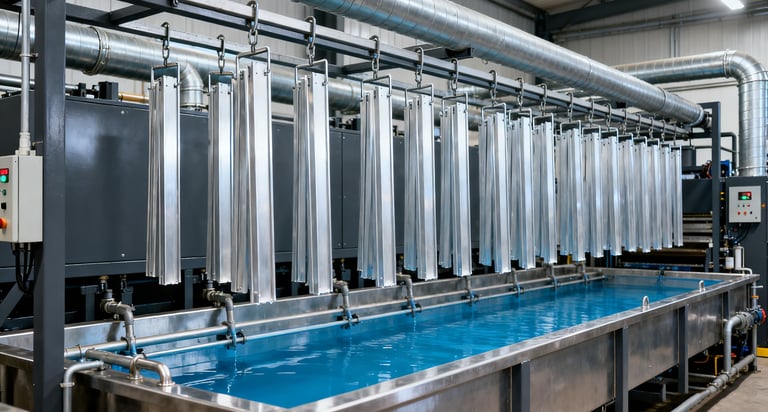
Aluminum Alloy Anodizing Workshop
Process Name: Anodization
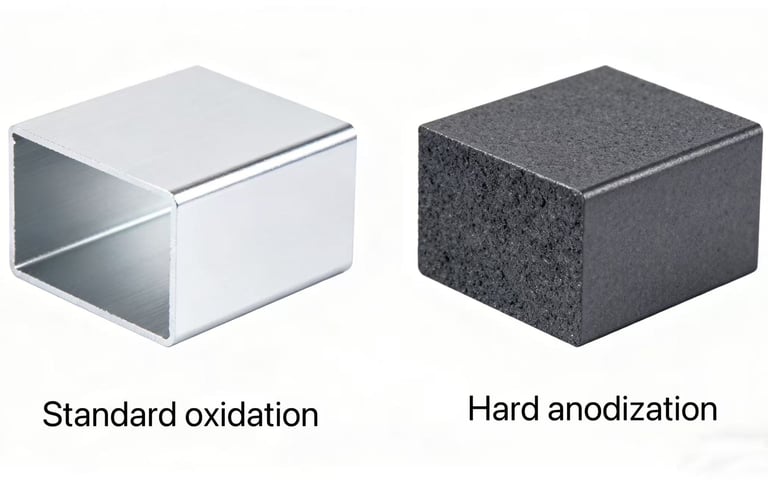
Core Parameters: Standard Anodization: Film thickness 5-15μm, suitable for architectural decoration OEM products;
Hard Anodization: Film thickness 20-50μm, hardness ≥300HV, suitable for industrial wear-resistant components (e.g., mechanical guide rails, auto parts).
Process Advantages: Enhances the corrosion resistance and wear resistance of profiles, enabling natural color/coloring effects..
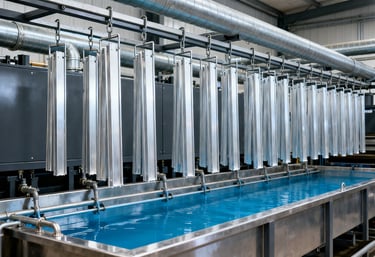
Aluminum Alloy Electrophoresis Workshop
Process Name: Cathodic Electrophoresis
Core Parameters:
Paint film thickness: 15-25μm
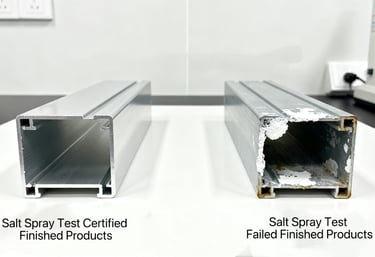
Salt spray test resistance: ≥1000 hours (far exceeding the industry average of 600 hours);
Optional gloss levels: Matte / Satin / High Gloss.

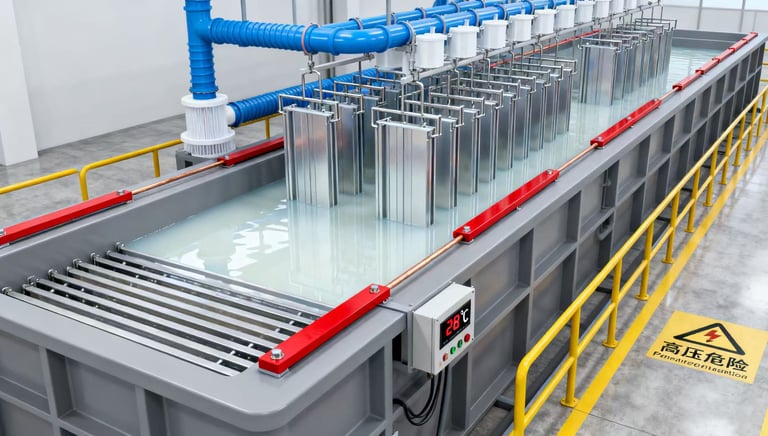
Process Advantages:
Boasts uniform and smooth paint film with strong adhesion, ideal for humid/high-corrosion environments (e.g., coastal buildings, bathroom profiles).
Aluminum Alloy Spraying Workshop
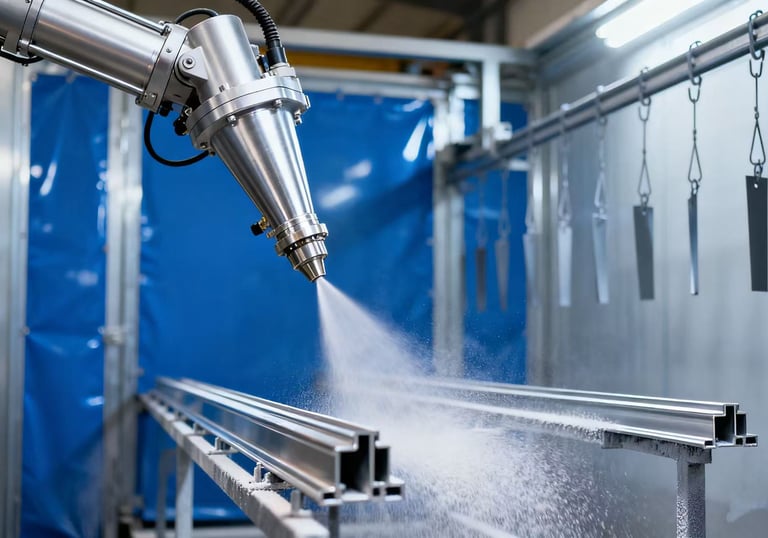
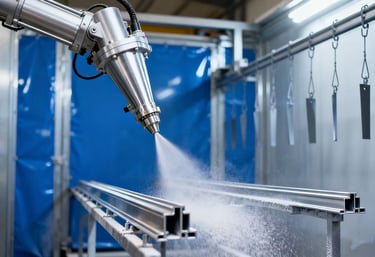
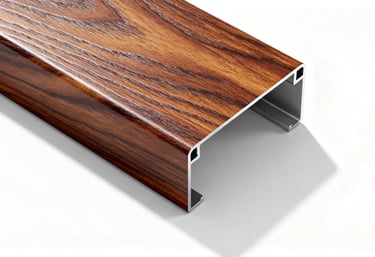
Process Name: Powder Coating / Fluorocarbon Coating / Wood Grain Transfer
Powder Coating
Electrostatic powder spraying + automatic powder coating line, film thickness 60-120μm, full coverage of RAL color card (200+ color options).
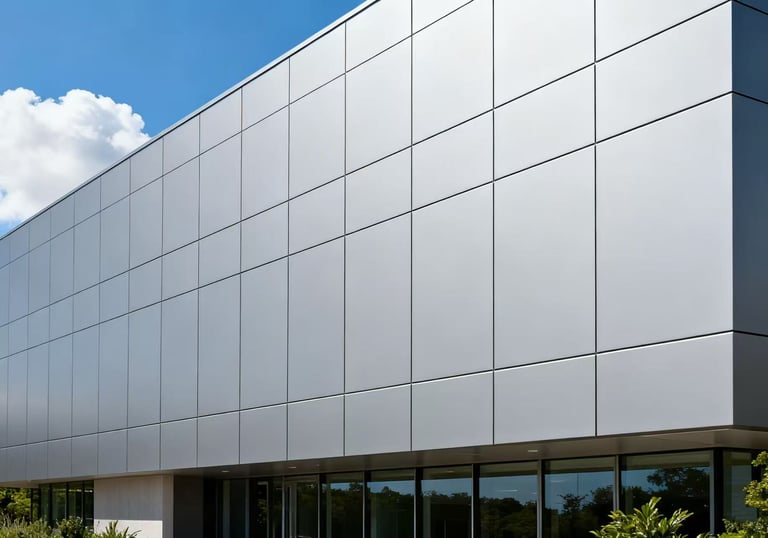
Fluorocarbon Coating (PVDF)
Two-coat / three-coat process, weather resistance ≥20 years, fading rate ≤5% (suitable for high-end outdoor scenarios: curtain walls, photovoltaic brackets).
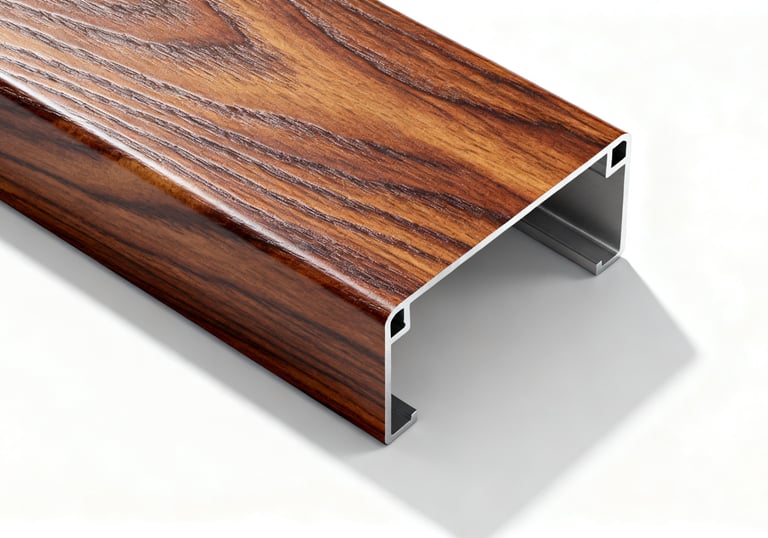
Heat transfer process, 1:1 restoration of solid wood/stone textures with realistic touch (suitable for home decoration and furniture OEM products).
Wood Grain Transfer

Key Supporting Processes
Pre & Post-Production Support · Process Stability + Environmental Compliance
Pretreatment Workshop
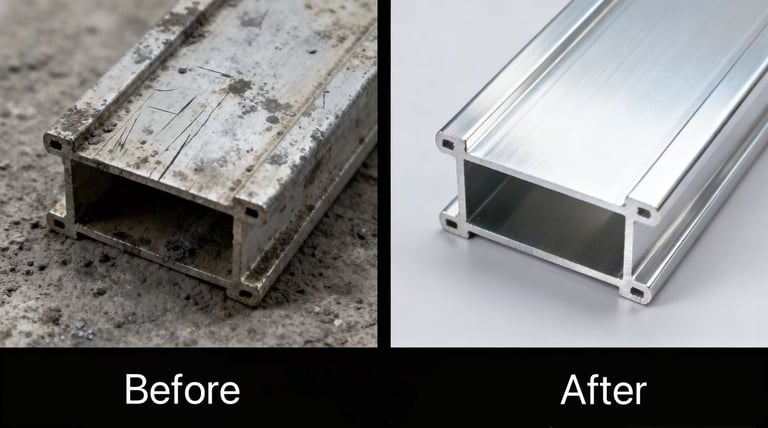
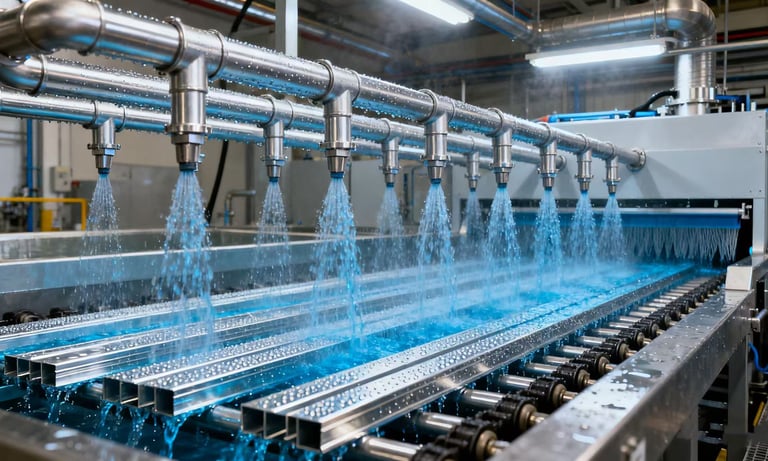
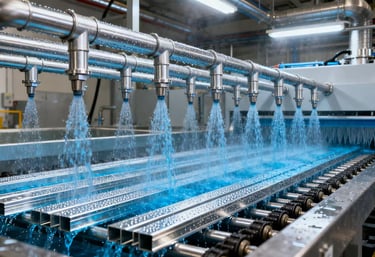
Process Flow: Degreasing → Caustic Washing → Neutralization → Passivation (Fully Automated Spray Line Operation)
Core Function:
Thoroughly removes oil stains and oxide layers from the profile surface, increasing the adhesion of subsequent surface treatments by 40% and preventing defects such as paint peeling and blistering.
Wastewater Treatment System
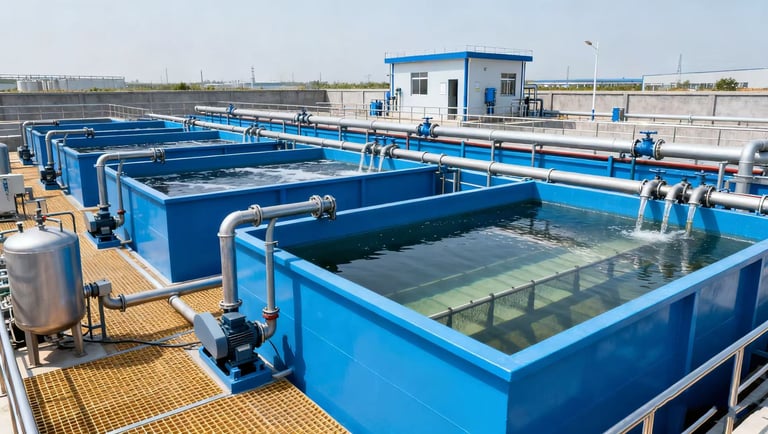

Core Configurations:
Including demulsification device for degreasing wastewater, ultrafiltration system for electrophoresis wastewater, and activated carbon adsorption tower for spraying wastewater; water reuse rate ≥80%.
Customer Value:
Meets the environmental compliance requirements of foreign trade customers (EU/North America) and avoids export trade barriers.
Compliance Standards:
Complies with GB/T 21900-2008 Discharge Standard of Pollutants for Electroplating; treated water meets dual standards of "reuse + discharge".
Get in touch
Address
Wuqiang Industrial Zone,Hengshui,City,Hebei,China.
Follow Us




Cindy
Tel: +86 18849170174
cindy@sinohaike.com